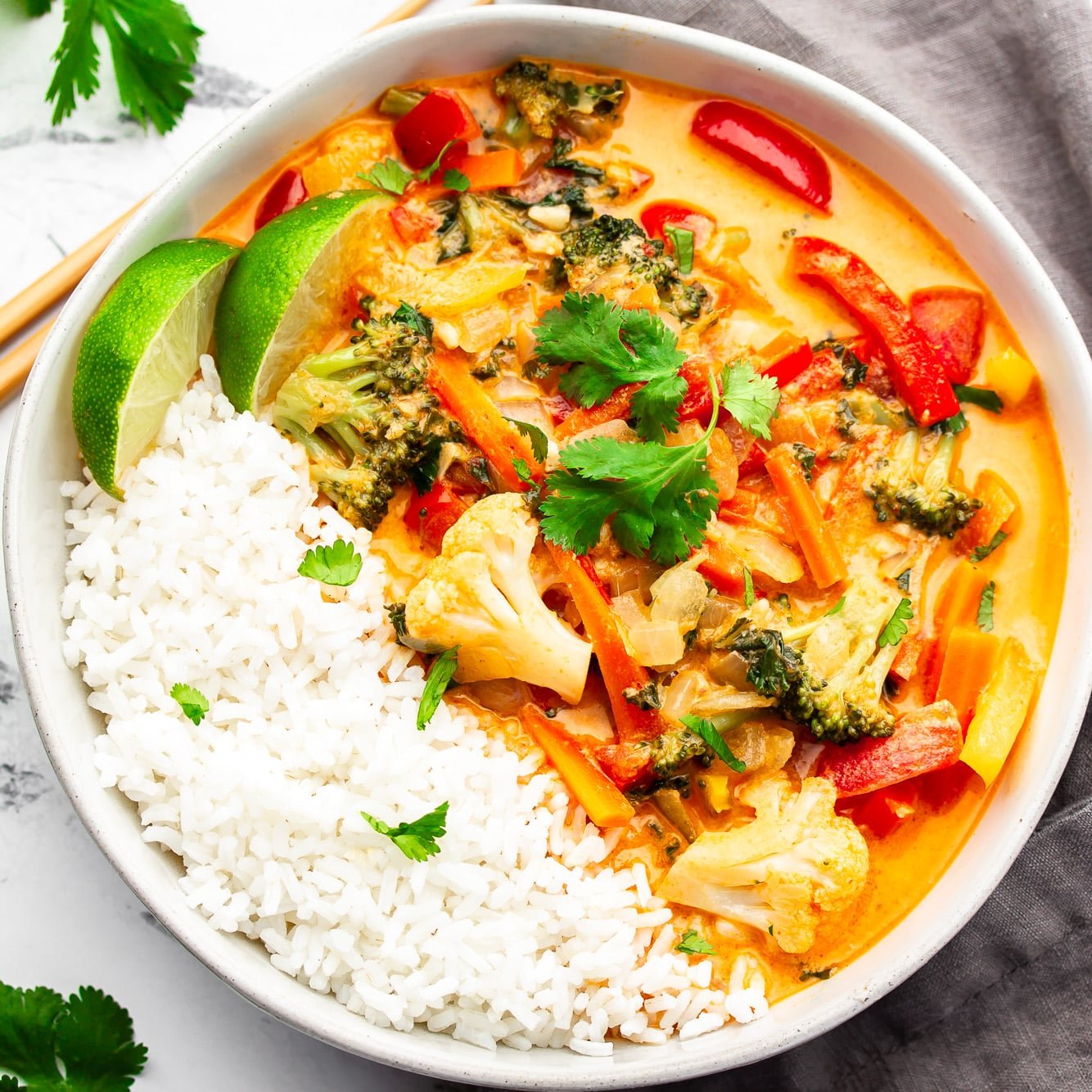
The Allure of a Classic: Why Versatile Vegan Thai Red Curry Reigns Supreme
Imagine a dish that’s both deeply comforting and vibrantly fresh, bursting with an array of colors and flavors. That's precisely what you get with a well-crafted Thai
red vegetable curry. This beloved meal has earned its place as a go-to for countless home cooks, and for good reason. It’s a culinary chameleon – effortlessly vegan, often gluten-free, and remarkably simple to prepare, typically as a convenient one-pan wonder ready in under an hour.
What makes this particular red curry so irresistible? It's the harmonious balance of sweet, spicy, and savory notes, all enveloped in a rich, aromatic coconut milk base. Beyond its tantalizing taste, a
red vegetable curry is a powerhouse of nutrition. Loaded with an abundance of colorful, healthy vegetables, it offers a deeply satisfying meal without any compromise on well-being. Whether you're a seasoned chef or a kitchen novice, this dish promises a rewarding cooking experience and a truly nourishing outcome.
Crafting Your Perfect Palette: Customizing the "Red Vegetable Curry"
One of the most appealing aspects of Thai
red vegetable curry is its incredible adaptability. It's truly a "choose your own adventure" when it comes to ingredients, allowing you to tailor it perfectly to your preferences and what you have on hand. The foundational flavors of the red curry paste and coconut milk provide a robust canvas, inviting a wide spectrum of vegetables to join the party.
When selecting your veggies, consider both flavor and visual appeal. While any vegetable can technically work, some combinations truly shine. For instance, many find that a mix of red, orange, and yellow bell peppers offers a beautiful visual complement to the rich red curry sauce, often preferred over green peppers for their softer color and sometimes sweeter profile.
Beyond aesthetics, think about how different vegetables contribute to the overall texture and taste balance:
*
Carrots: Their natural sweetness is a fantastic counterpoint to the subtle heat of the curry paste, adding a lovely depth of flavor.
*
Cauliflower: A superb choice for its ability to absorb flavors and provide a tender-crisp texture. It holds up well without becoming mushy, often preferred over other cruciferous vegetables like broccoli, again for its color and texture.
*
Potatoes or Sweet Potatoes: While sweet potatoes can be delicious, their sweetness can sometimes overpower the delicate balance of the curry. Regular potatoes offer a more neutral, starchy element that adds heartiness and thickens the sauce slightly.
*
Snow Peas or Green Beans: Introduce a vibrant green pop and a satisfying crunch. Add them towards the end of cooking to maintain their crispness.
*
Zucchini or Squash: These watery vegetables are excellent for soaking up the curry's flavors. Be mindful not to overcook them to prevent them from turning too soft.
*
Mushrooms: From cremini to shiitake, mushrooms lend an umami richness and a meaty texture, enhancing the overall savory profile.
*
Leafy Greens: Stir in spinach, kale, or bok choy in the last few minutes for an extra boost of nutrients and a fresh counterpoint. They wilt quickly, so timing is key.
A good rule of thumb is to aim for about 4 cups of chopped vegetables for a standard recipe, allowing for a generous and satisfying portion. Don't be afraid to mix and match; exploring different seasonal produce can lead to exciting new variations every time you make your
red vegetable curry. This is your chance to experiment and make the dish uniquely yours.
Beyond the Basics: Elevating Your Red Vegetable Curry
While the versatility of vegetables is key, the true magic of this curry lies in a few other foundational elements that you can fine-tune to perfection.
The Curry Paste: The Heart of the Flavor
The backbone of any good Thai red curry is, naturally, the red curry paste. For convenience and consistent results, jarred varieties are a fantastic shortcut. Brands like Thai Kitchen are widely available and deliver excellent flavor. However, don't shy away from experimenting with different brands, as each can offer a slightly different spice level and flavor profile.
*
Spice Control: The amount of paste you use directly impacts the heat. Start with the recommended amount and then adjust to your personal preference. If you crave extra heat, consider sautéing finely chopped fresh red chilies (like bird’s eye chilies) along with your aromatics (onions and garlic) before adding the paste. This infuses a brighter, more immediate spice.
*
Homemade vs. Jarred: While jarred paste is convenient, making your own from scratch offers unparalleled freshness and depth. If you have the time, it's a rewarding culinary adventure!
Coconut Milk: Creaminess is Key
When it comes to the coconut milk, opt for
full-fat canned coconut milk. While reduced-fat options might seem healthier, they often lack the rich mouthfeel and creamy texture that defines a truly luscious red curry. The full-fat version contributes significantly to the dish's luxurious texture and overall satisfaction, allowing the flavors to meld beautifully. Think of it as an essential component for achieving that signature velvety smoothness.
Protein Power-Ups for Your Red Vegetable Curry
While the vegetables themselves offer substantial nourishment, incorporating additional protein can make your
red vegetable curry even more satisfying and well-rounded, especially for a vegan meal.
*
Tofu: This is a superb choice. You can pan-fry cubed firm or extra-firm tofu until golden and crispy before adding it to the finished dish, or even use air-fried tofu cubes for a hands-off approach. Tofu readily absorbs the rich curry flavors.
*
Chickpeas: Canned chickpeas are incredibly easy to add. Simply drain and rinse them, then simmer them in the curry sauce for the last 10-15 minutes, allowing them to soak up all the deliciousness.
*
Lentils: Red or green lentils can also be cooked directly in the curry, adding a hearty texture and significant protein. Just ensure they are fully cooked through.
*
Tempeh: Another fantastic plant-based protein, tempeh can be crumbled or cubed, then pan-fried or baked before being stirred into the curry for a nutty, firm texture.
Remember, the goal is to create a dish that is both delicious and nutritionally balanced. Adding protein not only makes it more filling but also enhances the overall complexity of the meal.
Time-Saving Hacks and Meal Prep Marvels for Your Red Vegetable Curry
One of the greatest joys of making a
red vegetable curry is how effortlessly it fits into a busy lifestyle. It’s not just a quick meal; it's a smart choice for meal planning too. The core appeal lies in its "one-pot" nature, minimizing cleanup and maximizing flavor. If you’re looking for a quick and healthy weeknight dinner, you absolutely must check out our guide on
Easy One-Pan Thai Red Vegetable Curry: Healthy & Ready in 40 Minutes.
To further streamline your cooking process:
*
Pre-chop Veggies: Dedicate some time at the beginning of the week to chop all your desired vegetables. Store them in airtight containers, ready to be tossed into the pan when curry cravings strike.
*
Batch Cook: This dish truly shines the next day. The flavors deepen and meld together beautifully, making leftovers a culinary treat. Consider doubling the recipe to ensure you have delicious meals throughout the week. For a comprehensive look at the comforting aspects, see our article on
Creamy & Aromatic Thai Red Vegetable Curry: The Ultimate Comfort Meal.
*
Freezing: Cooked curry freezes exceptionally well. Portion it into freezer-safe containers or bags, and you’ll have a healthy, homemade meal ready to thaw and reheat on any busy day.
Serve your exquisite
red vegetable curry over a bed of fluffy jasmine or basmati rice, alongside tender rice noodles, or even with a side of quinoa for an extra protein boost. A sprinkle of fresh cilantro and a squeeze of lime juice at the end will brighten all the flavors, offering a truly restaurant-worthy experience right from your own kitchen.
Conclusion
The versatile vegan Thai
red vegetable curry is more than just a meal; it's an invitation to explore, customize, and enjoy truly nourishing food. Its rich, aromatic flavors, coupled with the boundless possibilities for vegetable customization, make it a dish that never gets old. Whether you're seeking a quick weeknight dinner, a healthy plant-based option, or a comforting meal to share, this customizable red curry delivers on all fronts. So, gather your favorite vegetables, embrace the creamy coconut goodness, and create a masterpiece that's uniquely yours – a healthy, vibrant, and utterly delicious plant-based delight.